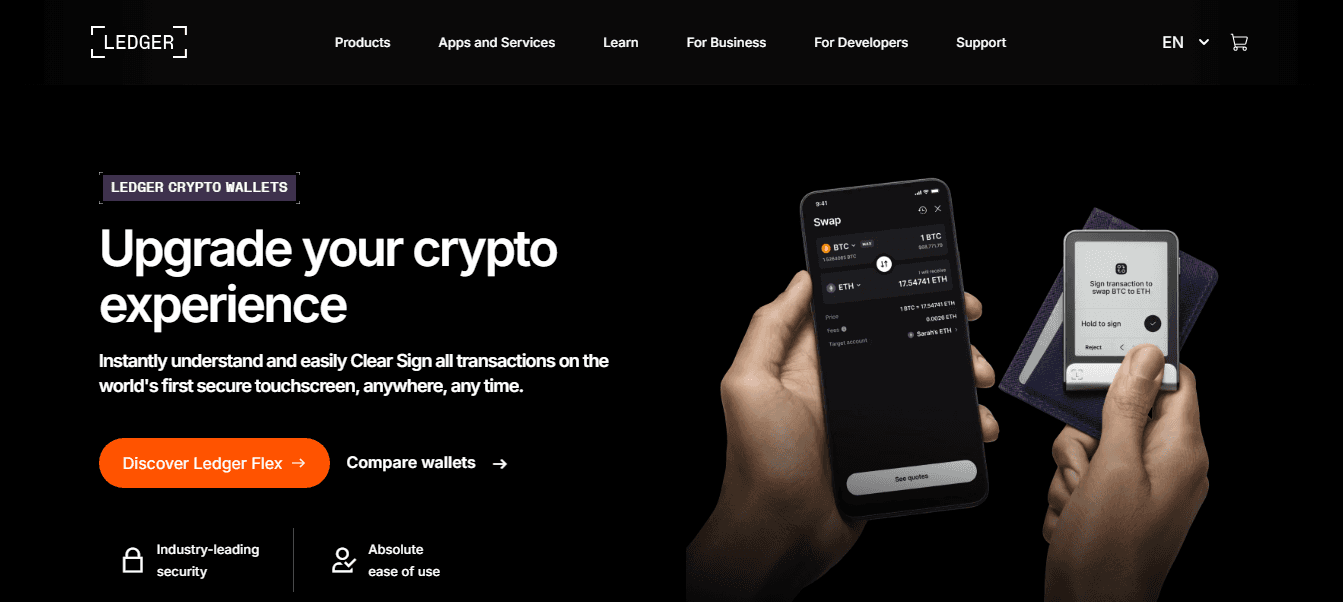
Ledger Login – The Ultimate Guide to Securely Accessing Your Cryptocurrency
Cryptocurrency gives users unprecedented control over their finances, but with that freedom comes the responsibility to secure your assets. Unlike traditional bank accounts, there is no authority to reverse lost or stolen funds. Accessing your crypto safely begins with the Ledger login, which is your gateway to Ledger Live—the official companion app for Ledger hardware wallets.
Understanding Ledger login is essential for anyone who wants to manage cryptocurrency securely. This guide provides a comprehensive walkthrough of the Ledger login process, from initial setup to advanced tips, troubleshooting, and security best practices.
What is Ledger Login?
The term Ledger login refers to accessing your Ledger wallet using Ledger Live, either on desktop or mobile. Ledger Live acts as a secure dashboard for your cryptocurrency accounts, allowing you to:
Monitor account balances
Send and receive cryptocurrency
Manage multiple accounts and wallets
Track portfolio performance
Verify transactions securely
Ledger login is not just a matter of opening the app—it ensures that your private keys remain safe on the hardware device and that every transaction is verified in a secure environment.
Ledger Devices and Ledger Live
Ledger Hardware Wallets
Ledger hardware wallets, including Nano S, Nano S Plus, and Nano X, are small devices that store your private keys offline. Because the keys never leave the device, your funds remain secure even if your computer or smartphone is compromised.
Nano S – Compact, reliable, supports multiple cryptocurrencies
Nano S Plus – Larger memory for more apps and assets
Nano X – Bluetooth-enabled for mobile use and convenient multi-asset management
Ledger Live
Ledger Live is the official software interface for Ledger wallets. Available for Windows, macOS, Linux, iOS, and Android, Ledger Live allows users to:
Add and manage accounts for multiple cryptocurrencies
Check portfolio balances and historical performance
Install blockchain applications on their device
Verify device authenticity to prevent counterfeit usage
Ledger login occurs when your Ledger hardware device is connected and authenticated through Ledger Live, providing secure access to your funds.
Preparing for Ledger Login
Before attempting a Ledger login, make sure you have:
A Ledger hardware wallet (Nano S, Nano S Plus, or Nano X)
Ledger Live installed from the official website (ledger.com)
Device PIN
24-word recovery phrase securely stored offline
A safe internet connection
Avoid using public or shared devices for Ledger login, as this can expose your credentials to malware.
Step-by-Step Ledger Login
Here is a detailed guide to logging into Ledger Live:
Step 1: Install Ledger Live
Download Ledger Live from the official website
Choose the correct operating system for your device
Run the installation and follow the setup instructions
Note: Never download Ledger Live from unofficial sources to prevent malware or phishing attacks.
Step 2: Connect Your Ledger Device
Connect your Ledger hardware wallet via USB (or Bluetooth for Nano X)
Enter your PIN to unlock the device
Open Ledger Live
The software should automatically detect your connected Ledger device.
Step 3: Set Up or Restore Your Wallet
Ledger Live provides two options:
Set up a new wallet – Ideal for first-time users
Restore wallet – Use your 24-word recovery phrase to recover an existing wallet
Important: Ledger Live never asks for your recovery phrase online. All sensitive operations are done directly on the device.
Step 4: Create a Ledger Live Password
The password encrypts local data, such as:
Account names
Transaction history
Device settings
It does not replace your Ledger device PIN. Use a strong, unique password and store it safely.
Step 5: Add Cryptocurrency Accounts
Choose the cryptocurrencies you want to manage
Add separate accounts for each blockchain
Synchronize balances and transaction history
Ledger Live supports thousands of assets, including Bitcoin (BTC), Ethereum (ETH), Cardano (ADA), Solana (SOL), and multiple tokens.
Step 6: Verify Device Authenticity
Ledger Live automatically verifies:
Firmware integrity
Device authenticity
Secure connection to the app
This step ensures you are not using a counterfeit device, which could put your funds at risk.
Step 7: Complete Login
Once setup and verification are complete:
You are logged into Ledger Live
You can view balances, send and receive funds, and monitor transactions
Every outgoing transaction must be confirmed on your Ledger hardware device
Ledger Live provides a secure interface while your private keys remain offline.
Ledger Login on Mobile
Ledger Live mobile allows secure access on smartphones:
Connect Ledger Nano X via Bluetooth
Unlock the device with your PIN
Open Ledger Live Mobile
Add accounts and verify device authenticity
Mobile login ensures convenient access without compromising security.
Security Measures in Ledger Login
Ledger login incorporates multiple security layers:
Hardware Wallet Verification – Transactions are only approved on the Ledger device
PIN Protection – Protects the device from unauthorized access
Local Data Encryption – Secures account labels and history
Offline Key Storage – Private keys never leave the hardware wallet
Two-Step Transaction Verification – Requires manual confirmation for all transactions
Even if your computer or mobile device is compromised, your funds remain protected.
Troubleshooting Ledger Login
Device Not Detected – Ensure the device is unlocked, try a different USB port or cable, and check firmware updates.
Forgot Ledger Live Password – Reinstall Ledger Live and reconnect your device; your funds remain safe.
Outdated Ledger Live – Always use the latest version to maintain security and compatibility.
Mobile Login Issues – Ensure Bluetooth is enabled, no other devices are interfering, and restart Ledger Live.
Best Practices for Ledger Login
Always use the official Ledger Live app
Never share your 24-word recovery phrase
Keep your PIN and Ledger Live password secure
Use a dedicated, secure device for managing Ledger wallets
Regularly update Ledger Live and device firmware
Verify device authenticity each time you log in
Advanced Ledger Login Tips
Multiple Devices – Ledger Live supports multiple hardware wallets connected separately
Multi-Account Management – Organize assets across different accounts and blockchains
Transaction Analytics – Monitor portfolio performance and transaction history
Advanced Features – Staking, crypto swaps, and portfolio export are accessible after secure login
Recovery After Ledger Login Issues
If your Ledger device is lost or damaged:
Acquire a new Ledger hardware wallet
Open Ledger Live
Choose Restore from recovery phrase
Enter your 24-word recovery phrase
Your accounts, balances, and transaction history will securely reconnect.
Ledger Login for Beginners
Ledger Live makes cryptocurrency management easy for beginners:
Simple, intuitive interface
Guided setup and login process
Portfolio overview with visual charts
Safe management without technical expertise
Frequently Asked Questions
Can I use Ledger Live without a Ledger device?
No. A Ledger hardware wallet is required to sign transactions securely.
Is Ledger Live cloud-based?
No. Private keys remain offline on your Ledger device.
What happens if I forget my Ledger Live password?
Reinstall Ledger Live and reconnect your hardware wallet; funds remain safe.
Can I log in on multiple devices?
Yes, both desktop and mobile can be used, as long as the hardware device is connected.
What should I do if my Ledger device is lost?
Use your recovery phrase to restore your wallet on a new Ledger device.
Conclusion
Ledger login is the foundation of secure cryptocurrency management. By following proper steps, verifying your device, and adhering to best security practices, you can safely access and manage your digital assets.
Ledger Live, combined with a Ledger hardware wallet, provides a secure, user-friendly platform for managing cryptocurrency portfolios. Whether on desktop or mobile, the login process ensures your funds remain protected while giving you full control over your assets.
Understanding and implementing Ledger login best practices is essential for anyone looking to manage crypto confidently, safely, and efficiently.