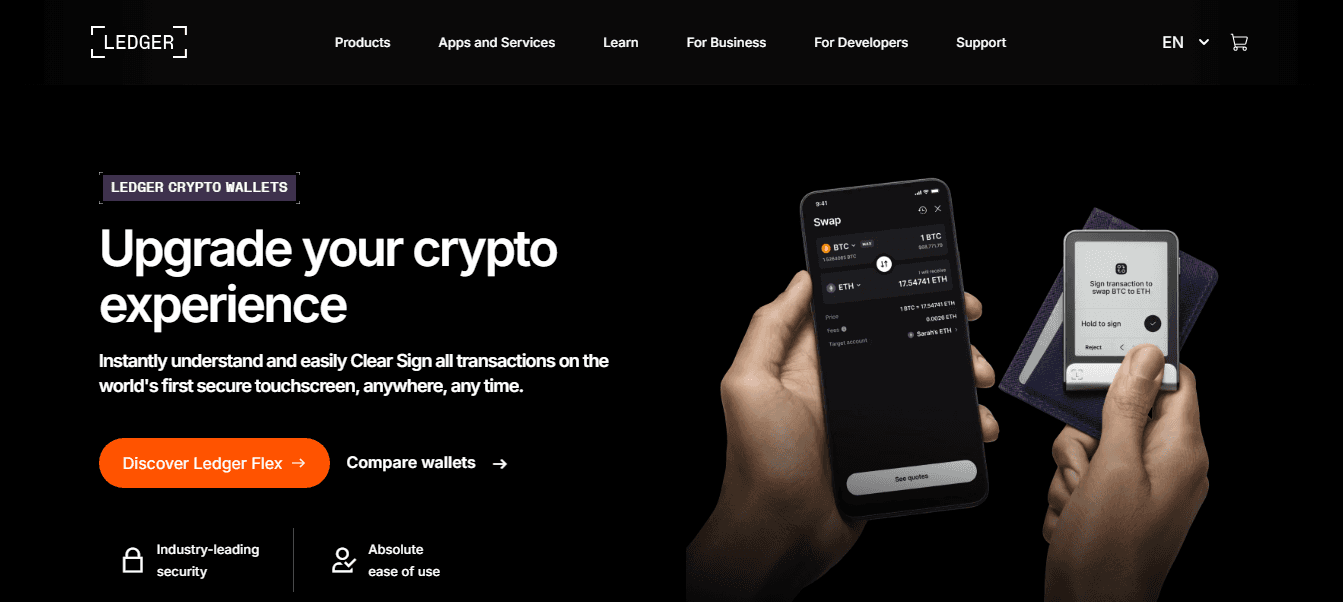
Ledger Login – A Complete Guide to Secure Access for Your Cryptocurrency
Cryptocurrency is a revolutionary form of finance, giving users complete control over their funds. But with that freedom comes a critical responsibility: securing access to your wallet. Unlike a bank account, cryptocurrency cannot be recovered if lost or stolen. Logging into your Ledger wallet safely is the first and most important step in protecting your digital assets.
This guide provides a comprehensive look at Ledger login, covering setup, authentication, security practices, troubleshooting, and advanced features. Whether you are a beginner or experienced crypto user, understanding Ledger login is essential for safe cryptocurrency management.
What is Ledger Login?
Ledger login refers to the process of accessing your Ledger hardware wallet through Ledger Live, the official desktop and mobile companion app. Ledger Live allows you to:
Monitor cryptocurrency balances in real-time
Send and receive funds securely
Add and manage multiple accounts
View portfolio performance and transaction history
Verify transactions safely
Ledger login ensures that all your private keys remain offline while giving you a secure interface to manage your funds. It is not just opening an app; it’s a secure gateway to your cryptocurrency portfolio.
Ledger Devices and Ledger Live
Ledger Hardware Wallets
Ledger hardware wallets store your private keys offline, which is why they are considered one of the safest ways to manage crypto. Supported devices include:
Nano S – Compact, secure, supports multiple currencies
Nano S Plus – Increased memory for more blockchain apps
Nano X – Bluetooth-enabled, ideal for mobile use
Ledger Live
Ledger Live is the software that interacts with your Ledger device. Available for Windows, macOS, Linux, iOS, and Android, Ledger Live lets you:
Add accounts for various cryptocurrencies
Check balances and portfolio performance
Install blockchain apps on your device
Verify device authenticity
Manage transactions securely
Ledger login occurs when you connect your Ledger device to Ledger Live and authenticate it. Once logged in, you can manage your cryptocurrency while your private keys remain safely offline.
Preparing for Ledger Login
Before attempting Ledger login, make sure you have:
A Ledger hardware wallet (Nano S, Nano S Plus, Nano X)
Ledger Live installed from the official website (ledger.com)
Your device PIN
Your 24-word recovery phrase, stored offline
A secure internet connection
Avoid public computers or unsecured networks to prevent unauthorized access or phishing attempts.
Step-by-Step Ledger Login
Step 1: Install Ledger Live
Visit the official Ledger website
Download Ledger Live for your operating system
Run the installer and follow the on-screen instructions
Note: Downloading Ledger Live from unofficial sources can compromise your wallet’s security.
Step 2: Connect Your Ledger Device
Connect via USB (or Bluetooth for Nano X)
Enter your device PIN to unlock it
Launch Ledger Live
Ledger Live should automatically detect your Ledger device.
Step 3: Initialize or Restore Wallet
Ledger Live gives you two options:
Set up a new wallet – Ideal for first-time users
Restore an existing wallet – Enter your 24-word recovery phrase
Important: Ledger Live never asks for your recovery phrase online. All critical operations occur on the device itself, ensuring maximum security.
Step 4: Create a Ledger Live Password
Ledger Live encrypts local data, such as:
Account names
Transaction history
Device configurations
Your Ledger Live password is separate from your device PIN. Use a strong, unique password and store it safely.
Step 5: Add Cryptocurrency Accounts
Select the cryptocurrencies you want to manage
Add separate accounts for each blockchain
Sync balances and transaction history
Ledger Live supports thousands of cryptocurrencies, including Bitcoin, Ethereum, Cardano, Solana, and numerous tokens.
Step 6: Verify Device Authenticity
Ledger Live automatically verifies:
Firmware integrity
Device authenticity
Secure connection
This ensures that your Ledger device is genuine and not compromised.
Step 7: Complete Login
Once your device is verified and accounts added:
You are logged in
You can view balances, send/receive funds, and monitor transactions
All transactions must be confirmed on the hardware wallet
Ledger Live provides a secure interface while private keys remain offline.
Ledger Login on Mobile
Ledger Live mobile enables secure access on smartphones:
Connect Nano X via Bluetooth
Unlock with your PIN
Open Ledger Live Mobile
Add accounts and verify device authenticity
Mobile login ensures convenient access without compromising security.
Security Features During Ledger Login
Ledger login includes several layers of security:
Hardware Wallet Verification – All transactions require device approval
PIN Protection – Prevents unauthorized access
Local Data Encryption – Protects account labels and history
Offline Key Storage – Private keys never leave the Ledger device
Two-Step Transaction Verification – Manual confirmation for all transactions
Even if your computer or smartphone is compromised, your funds remain safe.
Troubleshooting Common Ledger Login Issues
Device Not Detected – Make sure it is unlocked, try a different USB port, or update the firmware.
Forgot Ledger Live Password – Reinstall Ledger Live and reconnect your device; your funds remain secure.
Outdated Ledger Live – Always use the latest version for compatibility and security.
Mobile Login Issues – Ensure Bluetooth is enabled and restart Ledger Live if necessary.
Best Practices for Ledger Login
Only use the official Ledger Live app
Never share your 24-word recovery phrase
Keep your PIN and Ledger Live password secure
Use a dedicated device for managing your wallet
Regularly update Ledger Live and device firmware
Verify device authenticity each time you log in
Advanced Ledger Login Tips
Multiple Devices – Manage more than one Ledger wallet securely
Multi-Account Management – Organize crypto assets efficiently
Transaction Analytics – Track portfolio performance and historical transactions
Advanced Features – Access staking, crypto swaps, and portfolio export after secure login
Recovery After Ledger Login Problems
If your Ledger device is lost or damaged:
Obtain a new Ledger hardware wallet
Open Ledger Live
Select Restore from recovery phrase
Enter your 24-word recovery phrase
All accounts, balances, and history will reconnect securely.
Ledger Login for Beginners
Ledger Live simplifies crypto management:
Step-by-step login and setup
Intuitive interface for portfolio monitoring
Safe, secure management without advanced technical knowledge
Frequently Asked Questions
Can I use Ledger Live without a hardware wallet?
No. Transactions require a Ledger device for signing.
Is Ledger Live cloud-based?
No. Private keys remain offline.
What if I forget my Ledger Live password?
Reinstall Ledger Live and reconnect your device; funds remain safe.
Can I log in on multiple devices?
Yes, as long as the hardware device is connected.
What should I do if my Ledger device is lost?
Restore your wallet on a new device using the recovery phrase.
Conclusion
Ledger login is the gateway to secure cryptocurrency management. By following proper login steps, verifying your device, and practicing security measures, you can safely manage your digital assets.
Ledger Live, combined with a Ledger hardware wallet, provides a secure and user-friendly environment to monitor and manage cryptocurrencies. Understanding Ledger login best practices is essential for beginners and experienced users alike, ensuring your assets remain safe while you maintain full control over your portfolio.